


What Are Longwood System Integrations and Why Do They Matter?
Longwood system integrations connect your business software – like Shopify, QuickBooks, and Mailchimp – into data flows automatically between platforms without manual work. For growing businesses in Longwood, Florida, integrations eliminate duplicate data entry, reduce human error, improve reporting accuracy, and create scalable automation systems that support long-term growth.
In today’s digital economy, disconnected systems cost businesses time and money. When your eCommerce store, accounting software, CRM, and marketing platforms operate independently, your team wastes hours manually transferring information.
Longwood system integrations solve this by building structured automation workflows that sync sales, inventory, customer data, invoices, and marketing campaigns in real time.
“Business automation is no longer a luxury – it is the operational backbone of scalable local businesses.”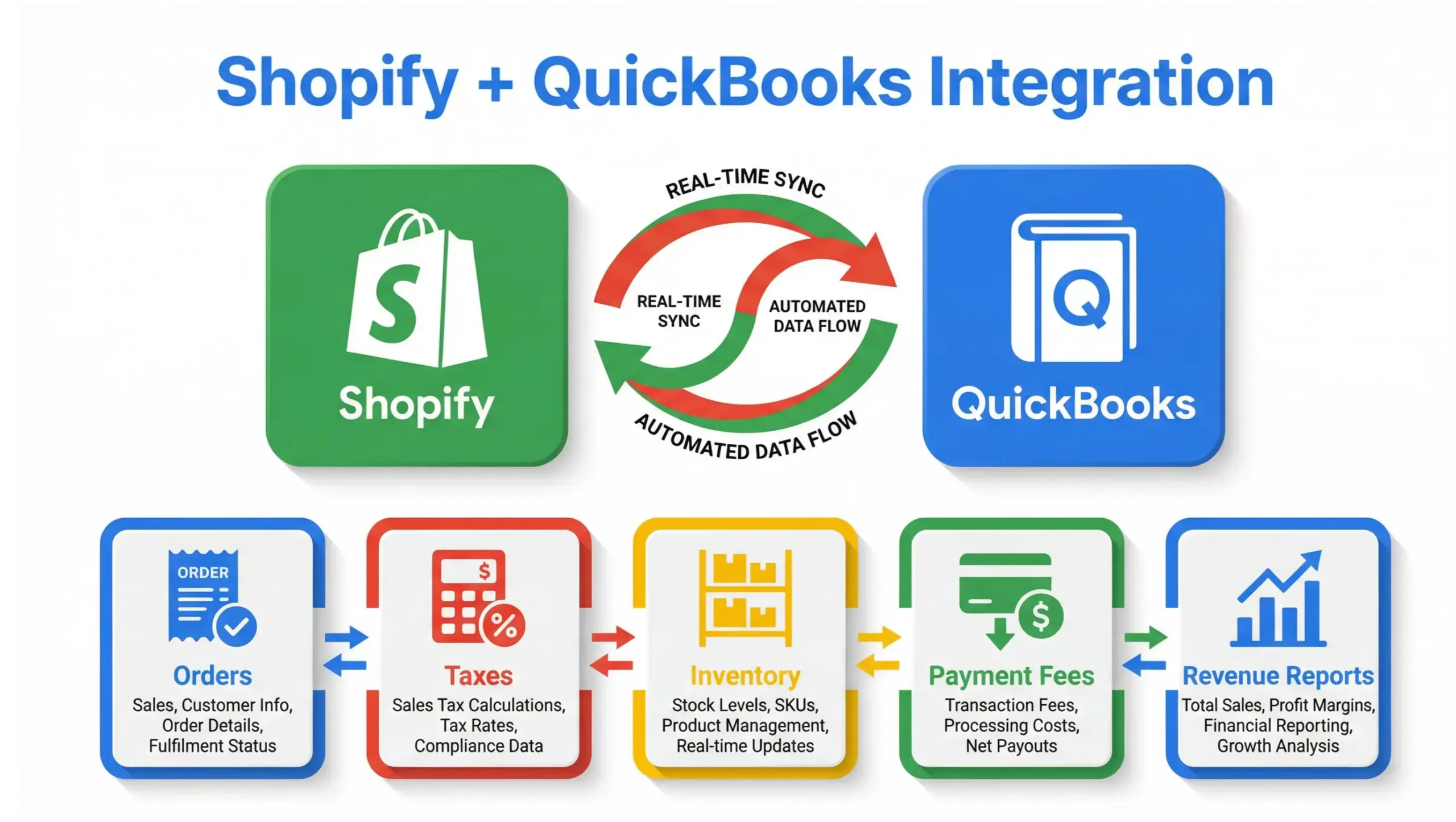
Why Do Small Businesses in Longwood Need System Integrations?
Small and mid-sized businesses in Longwood need system integrations to reduce operational friction, improve visibility, and scale without increasing overhead. Automation allows local companies to operate like enterprise-level organizations without enterprise-level payroll.
Many Florida-based businesses struggle with:
- Manual bookkeeping updates
- Inventory mismatches
- Missed email automation triggers
- Duplicate customer records
- Reporting inconsistencies
- Delayed invoicing
When systems don’t communicate, growth creates chaos.
Integrations transform fragmented software into one unified business ecosystem.
Key Benefits of Longwood System Integrations
| Benefit | Business Impact |
|---|---|
| Real-time data syncing | Eliminates manual entry |
| Automated workflows | Saves 10-20+ hours monthly |
| Financial accuracy | Reduces accounting errors |
| Marketing automation | Improves campaign ROI |
| Inventory synchronization | Prevents overselling |
| Reporting consolidation | Data-driven decision making |
According to industry research, businesses implementing automation workflows report productivity improvements of up to 20-30% within the first year of deployment.
How Does Shopify and QuickBooks Integration Work?
Shopify and QuickBooks integration automatically syncs sales transactions, taxes, inventory, and payouts from your eCommerce store into your accounting system.
When properly integrated, the systems:
- Transfer every Shopify order to QuickBooks
- Sync product SKUs and inventory levels
- Record payment processing fees
- Apply tax rules automatically
- Categorize revenue streams correctly
Without integration, business owners often spend hours manually exporting CSV files and reconciling accounts.
With integrated systems, the process becomes fully automated through APIs or middleware tools like Zapier or custom connectors.
If you are exporting spreadsheets, your business is not scalable.
How Can Mailchimp Be Integrated with Shopify?
Mailchimp integration with Shopify connects customer purchase data to automated email marketing workflows. This allows businesses to trigger campaigns based on buying behavior.
Once integrated, you can:
- Automatically tag customers based on purchases
- Send abandoned cart emails
- Trigger post-purchase follow-ups
- Segment customers by lifetime value
- Launch loyalty campaigns
- Sync customer profiles in real time
For Longwood businesses, this means smarter marketing without hiring additional staff.
Automation improves:
- Higher open rates
- Improved retention
- Increased repeat purchases
- Higher customer lifetime value
What Software Can Be Integrated in a Business Automation System?
Longwood system integrations are not limited to Shopify, QuickBooks, and Mailchimp. Businesses often integrate:
- CRM systems (HubSpot, Zoho, Salesforce)
- Payment processors (Stripe, PayPal)
- Inventory management systems
- ERP platforms
- Scheduling tools
- Google Analytics
- Social media ad platforms
- SMS marketing systems
- Project management tools
The goal is simple: eliminate disconnected processes and create one streamlined operational framework.
What Are the Signs Your Business Needs System Integrations?
If your team manually copies data between platforms, you need system integration immediately.
Warning signs include:
- Frequent reporting discrepancies
- Double billing errors
- Inconsistent customer records
- Slow invoicing cycles
- Inventory mismatches
- Missed automation opportunities
- Poor campaign performance tracking
When growth increases workload faster than revenue, automation becomes mandatory.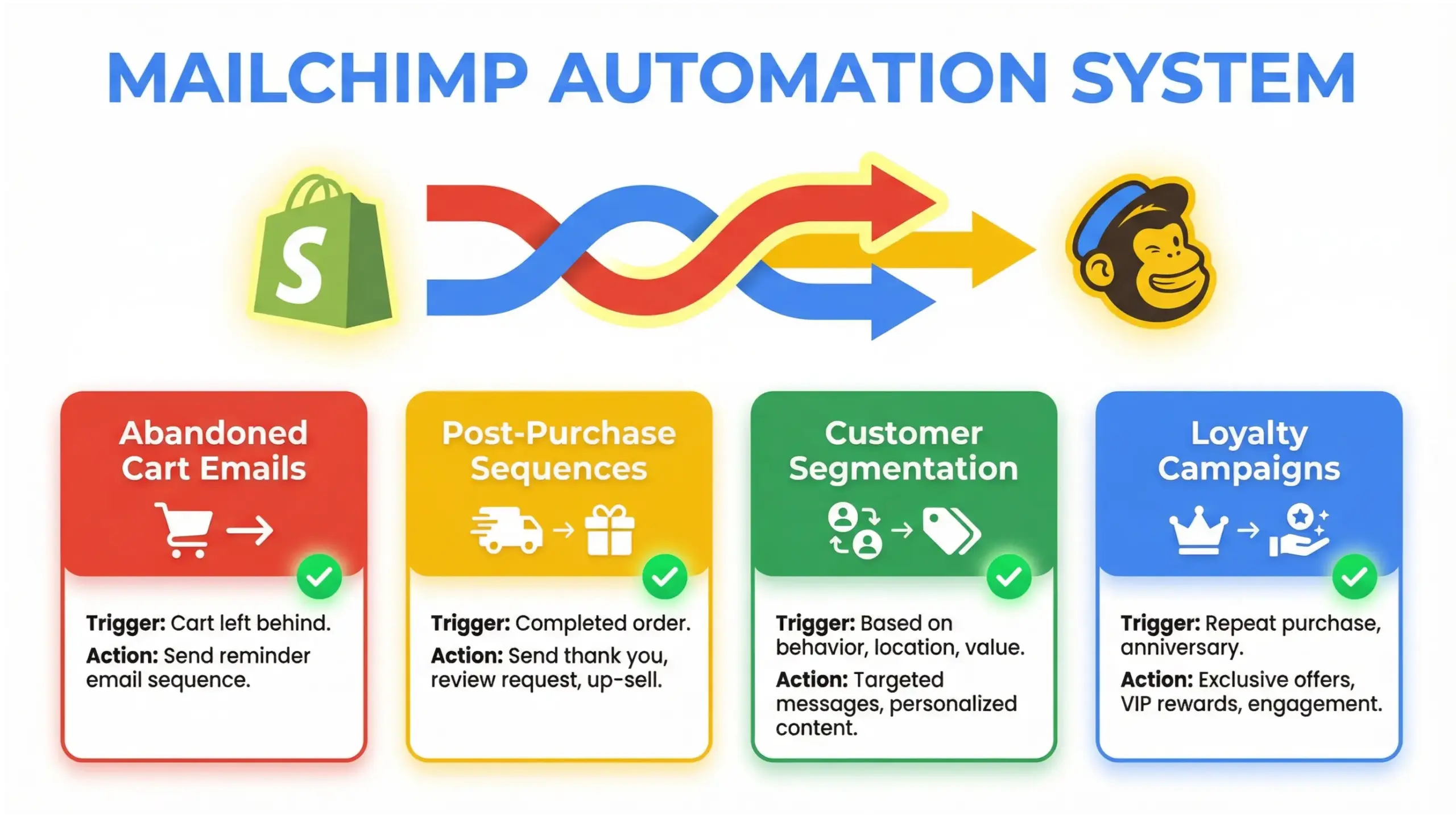
What Is the Process of Implementing Longwood System Integrations?
Implementing system integrations requires a structured five-step framework:
- Audit Existing Systems – Identify all tools currently used in operations.
- Define Data Flow – Determine what data should sync between systems.
- Select Integration Method – Native integrations, API connections, middleware (Zapier, Make), or custom development.
- Test Workflows – Run simulations before going live.
- Monitor and Optimize – Track performance monthly.
“Integration without strategy creates complexity. Integration with strategy creates scale.”
How Much Do Business Automation Services Cost in Longwood?
Costs vary depending on system complexity.
| Integration Type | Estimated Cost Range |
|---|---|
| Basic Shopify-QuickBooks Sync | $600 – $1,500 |
| Full Marketing Automation | $1,500 – $5,000 |
| Custom API Development | $5,000+ |
| Ongoing Maintenance | $300 – $1,000/month |
Investment depends on:
- Number of platforms
- Data complexity
- Custom workflows required
- Reporting needs
- Security configuration
However, most businesses recover integration costs within months due to time savings and reduced errors.
How Do API Integrations Work?
API integrations allow two software platforms to communicate directly through secure data requests.
API stands for Application Programming Interface.
Think of it as a translator that:
- Sends requests
- Transfers structured data
- Updates records in real time
- Maintains secure authentication
APIs eliminate the need for manual exports and imports.
They enable automation like:
- Real-time inventory updates
- Automatic invoice creation
- Customer behavior tracking
- Dynamic pricing updates
How Do System Integrations Improve Reporting and Analytics?
Disconnected systems produce fragmented insights.
Integrated systems create centralized dashboards where all data feeds into one reporting environment.
This allows businesses to track:
- Revenue trends
- Customer acquisition cost
- Email ROI
- Inventory turnover
- Cash flow health
- Ad performance
When systems are integrated, decision-making becomes proactive instead of reactive.
How Do Longwood System Integrations Support Business Growth?
Automation creates operational velocity.
When workflows are automated:
- Staff can focus on strategy
- Errors decrease
- Customer experience improves
- Financial tracking becomes precise
- Scaling becomes predictable
For Longwood entrepreneurs, system integrations allow expansion without operational collapse.
“Businesses don’t fail from lack of ambition. They fail from broken systems.”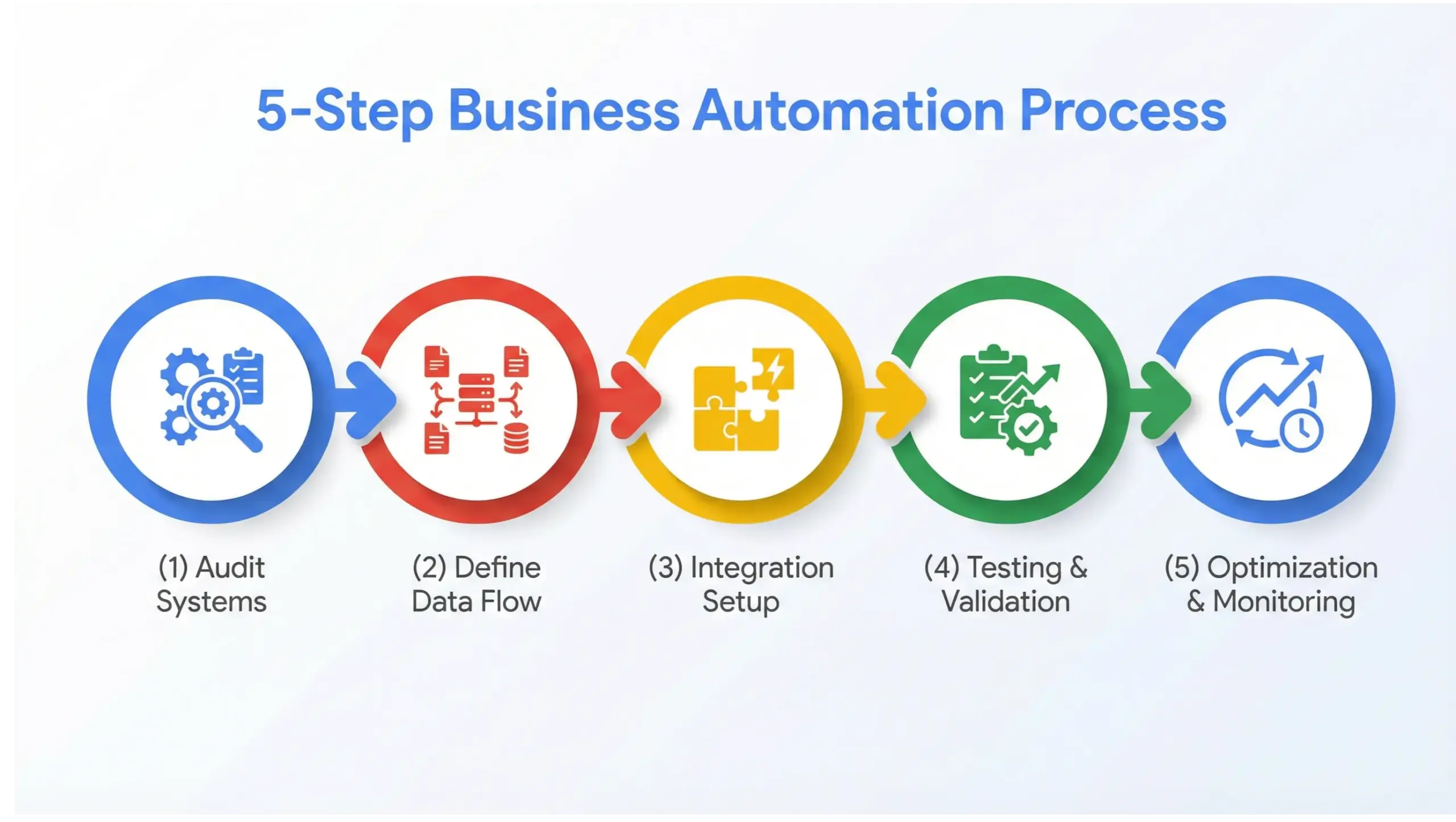
10 Frequently Asked Questions (FAQ)
1. What are Longwood system integrations?
Longwood system integrations connect business software tools to automate data syncing and workflows, improving efficiency and accuracy.
2. Can Shopify automatically sync with QuickBooks?
Yes. Through native connectors or API-based integrations, sales and financial data can sync automatically.
3. Is Mailchimp integration necessary for eCommerce businesses?
Yes. Automated email marketing based on purchase behavior improves customer retention.
4. How long does system integration take?
Basic integrations take 1-2 weeks. Complex automation systems may take 4-8 weeks.
5. Are integrations secure?
When implemented using secure APIs and encrypted authentication methods, integrations are highly secure.
6. What is the ROI of business automation?
Most businesses see ROI through time savings, improved accuracy, and increased marketing conversion within 3-6 months.
7. Can small businesses afford system integrations?
Yes. Scalable solutions allow businesses to start small and expand over time.
8. What happens if integrations break?
Monitoring systems detect sync errors, and maintenance teams restore performance quickly.
9. Do integrations replace employees?
No. They enhance productivity and allow employees to focus on higher-value tasks.
10. Who provides system integration services in Longwood?
Local business automation consultants and digital growth agencies specializing in API and workflow automation provide these services.
Conclusion: Why Longwood Businesses Must Embrace System Integrations
Longwood system integrations are not just technical upgrades – they are strategic growth foundations.
They eliminate inefficiencies, reduce human error, increase reporting clarity, and enable scalable expansion.
For businesses connecting Shopify, QuickBooks, Mailchimp, CRM systems, and automation tools, integration transforms chaos into clarity.
Automation is no longer optional. It is the infrastructure of modern growth.


